
Polymethyl Methacrylate (PMMA), known as acrylic or plexiglass, is a transparent thermoplastic renowned for its lightweight, durable, and glass-like clarity. Invented in the early 20th century, PMMA has become one of the most versatile materials across industries. PMMA’s unique properties have made it indispensable in modern innovation, from construction to medical applications.
In this blog, we’ll explore the various uses of PMMA and understand why it continues to be a material of choice in numerous industries.
What is Polymethyl Methacrylate (PMMA)?
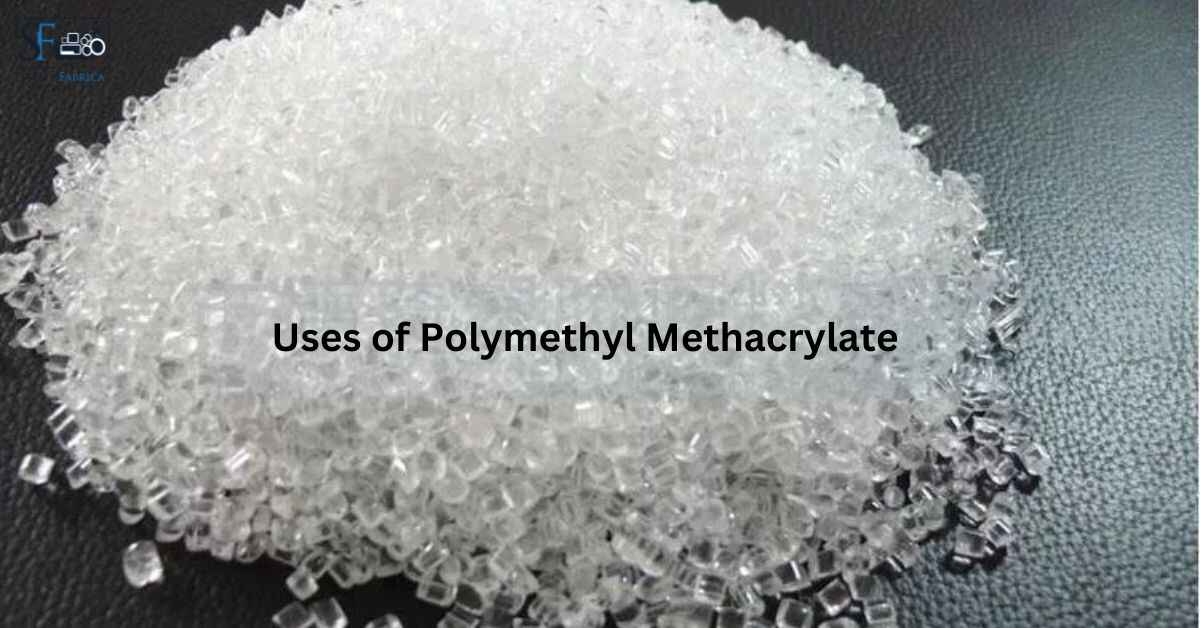
PMMA is a polymer obtained from methyl methacrylate (MMA) monomers. It is lightweight, shatter-resistant, and offers excellent optical clarity, making it a perfect alternative to glass. It can be easily moulded, extruded, or cast into various shapes and forms, adding to its adaptability.
Key Properties of PMMA
Transparency: PMMA transmits up to 92% of light, making it more transparent than glass.
Lightweight: It is significantly lighter than glass, making it easier to handle and install.
Durability: Resistant to impact and weathering, Polymethyl Methacrylate is ideal for outdoor and high-stress applications.
UV Resistance: PMMA does not yellow under sunlight, making it suitable for prolonged outdoor use.
Chemical Resistance: It resists many chemicals and cleaners, maintaining its surface quality over time.
Applications of Polymethyl Methacrylate (PMMA)
Construction and Architecture
PMMA is widely used in the construction industry due to its transparency, lightweight, and weather resistance. Applications include:
Windows and Skylights: PMMA is an excellent alternative to glass, offering clarity and durability without the risk of shattering.
Partitions and Barriers: Used in office spaces, hospitals, and public places for dividers and protective barriers.
Signage: PMMA sheets are a popular choice for illuminated signs due to their optical clarity and ability to diffuse light.
Roofing: Transparent roofing panels for greenhouses and sports complexes often utilize PMMA.
Automotive and Transportation
The automotive industry benefits from PMMA’s lightweight and durability:
Headlights and Taillights: PMMA is used to create clear, shatter-resistant lenses for vehicle lighting systems.
Dashboard Displays: Its transparency and scratch resistance make PMMA ideal for protective covers over digital displays.
Aircraft and Train Windows: PMMA’s lightweight and impact resistance makes it suitable for aviation and rail transport windows.
Medical and Healthcare
PMMA plays a significant role in medical applications due to its biocompatibility and stabilizability:
Intraocular Lenses (IOLs): PMMA is used in artificial lenses implanted during cataract surgery. Its optical clarity and compatibility with the human body make it ideal for this purpose.
Dental Applications: PMMA is used in dentures, dental fillings, and orthodontic devices due to its strength and ease of moulding.
Medical Equipment: Components like incubators, oxygen chambers, and protective shields are often made from PMMA.
Optical and Display Technologies
PMMA’s optical properties have made it a staple in various display technologies:
Screens and Monitors: PMMA is a protective layer over LCD and LED screens.
Lenses: Lightweight and durable lenses for cameras, telescopes, and microscopes often use PMMA.
Lighting Fixtures: PMMA sheets and rods are utilized in decorative lighting and lamp covers because they diffuse light evenly.
Consumer Products
PMMA’s aesthetics and practicality make it a favourite for consumer goods:
Aquariums and Tanks: Clear and impact-resistant, PMMA is a popular material for home and commercial aquariums.
Furniture: PMMA is used in modern furniture designs, offering a sleek, transparent look.
Jewellery and Accessories: Its ability to mimic the appearance of glass makes PMMA a cost-effective choice for accessories like watches, bracelets, and decorative items.
Renewable Energy and Solar Applications
PMMA’s UV resistance and optical clarity make it an ideal material for renewable energy technologies:
Solar Panels: PMMA is a protective layer that ensures long-term efficiency and durability.
Light Guides: Used in fibre optics and solar concentrators for efficient light transmission.
Safety and Protection
PMMA is often used in applications requiring a combination of visibility and safety:
Bulletproof Glass: Laminated PMMA layers are used in bulletproof windows.
Protective Barriers: Widely used in public places, such as checkout counters and hospitals, for creating transparent shields and partitions.
Why Choose PMMA Over Glass?
PMMA is frequently chosen as an alternative to glass due to its superior impact resistance, lighter weight, and cost-effectiveness. It is easier to mould and install, and its optical clarity matches or exceeds that of glass in many applications. PMMA does not shatter like glass, ensuring greater safety in applications like automotive windows or protective barriers.
Conclusion
Polymethyl Methacrylate (PMMA) is a highly versatile material with applications in construction, automotive, healthcare, and beyond. Its unique combination of transparency, lightweight, and durability has made it a go-to choice for industries seeking innovative and sustainable solutions.
As technology advances, the uses of PMMA are only set to grow, particularly in renewable energy and high-tech applications. Whether in the form of a window, medical implant, or modern furniture, PMMA continues to shape the world around us with its unmatched versatility and performance.