
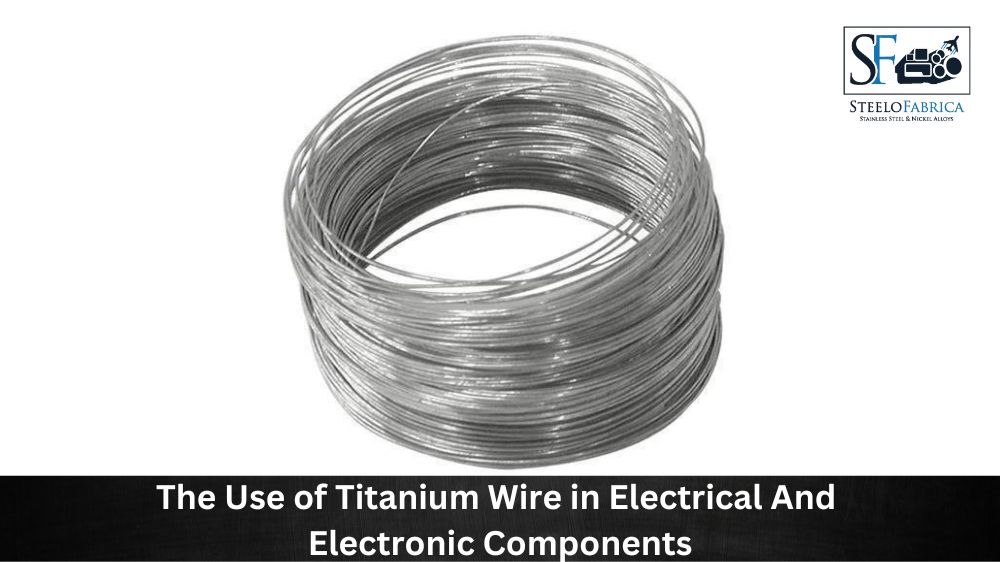
Titanium wire has been used for several decades in diverse industries such as aerospace, medical implants, and marine equipment. This unique metal’s excellent electrical, mechanical, and thermal properties make it a popular choice for manufacturing electrical and electronic components. Its high strength-to-weight ratio, durability, and corrosion resistance are some of the features that make titanium wire indispensable. This blog post delves into the incredible benefits of using titanium wire in electrical and electronic components.
What is Titanium Wire?
Titanium Wire is a type of metal wire made from titanium. It has superior corrosion and temperature resistance compared to other metals, making it ideal for use in many aerospace, medical, industrial and consumer applications. It can be used for coil springs, welding wire or electrical wiring due to its high strength-to-weight ratio. Additionally, titanium wire has a high conductivity rate while remaining lightweight and flexible.
Uses of Titanium Wire In Electrical and Electronic Components
Lightweight
One of the major benefits of using titanium wire in electrical and electronic components is its lightweight nature. This unique metal is almost half the weight of steel but has the same level of strength, making it an ideal material for manufacturing lightweight and sturdy electrical and electronic components. Its lightweight feature is highly advantageous in manufacturing different types of electronic equipment, as it helps reduce the finished product’s weight and size.
Corrosion Resistant
Titanium has excellent corrosion resistance, unlike other metals, even in extreme environmental conditions. This feature makes it ideal for manufacturing electrical and electronic components needed for harsh environmental conditions. Saltwater and acidic environments, for example, can weaken many metals, but titanium wire can withstand them without damage or corrosion.
Durable
Another outstanding feature of titanium wire is its durability. It is incredibly strong and resistant to damage. This feature makes it the perfect choice for manufacturing electrical and electronic components that withstand high impact, pressure, and tension. The durability of titanium wire also means that electrical and electronic components made from this metal last longer and need minimal maintenance compared to other metals.
Heat Resistant
Titanium wire has a high melting point and excellent thermal properties, making it ideal for manufacturing electrical and electronic components exposed to high temperatures. This feature makes it the perfect choice for manufacturing electrical components such as heating elements and high-temperature sensors.
Affordable
Lastly, titanium wire’s affordability is another incredible benefit that cannot be ignored. Although titanium wire is costlier than some metals, it is not as expensive as many perceive. In the long run, the durability, lightweight feature, and corrosion-resistant properties of titanium wire, among other unique features, make it a more cost-effective choice for manufacturing electrical and electronic components.
Benefits of Titanium Wire
Titanium wire has many advantages: extremely strong and lightweight, corrosion-resistant, non-magnetic and non-toxic. It retains its strength at high temperatures and is highly resistant to fatigue. Additionally, titanium wires have a wide range of applications because of their excellent electrical properties, such as low electrical resistivity and high electrical conductivity. Titanium wire also has a long lifespan due to its resistance to cracking, wear or damage from weather or environmental conditions.
Conclusion:
Titanium wire is a remarkable material with unique features that make it the ideal choice for manufacturing electrical and electronic components. Its lightweight feature, resistance to corrosion, durability, heat-resistant characteristics, and affordability are just some benefits that make titanium wire an indispensable material in the manufacturing industry. In summary, titanium wire’s use in electrical and electronic components helps to reduce weight, increase durability, and minimize maintenance while enhancing the life span of electronic equipment. Small wonder that it is the material of choice for most manufacturers in the industry.